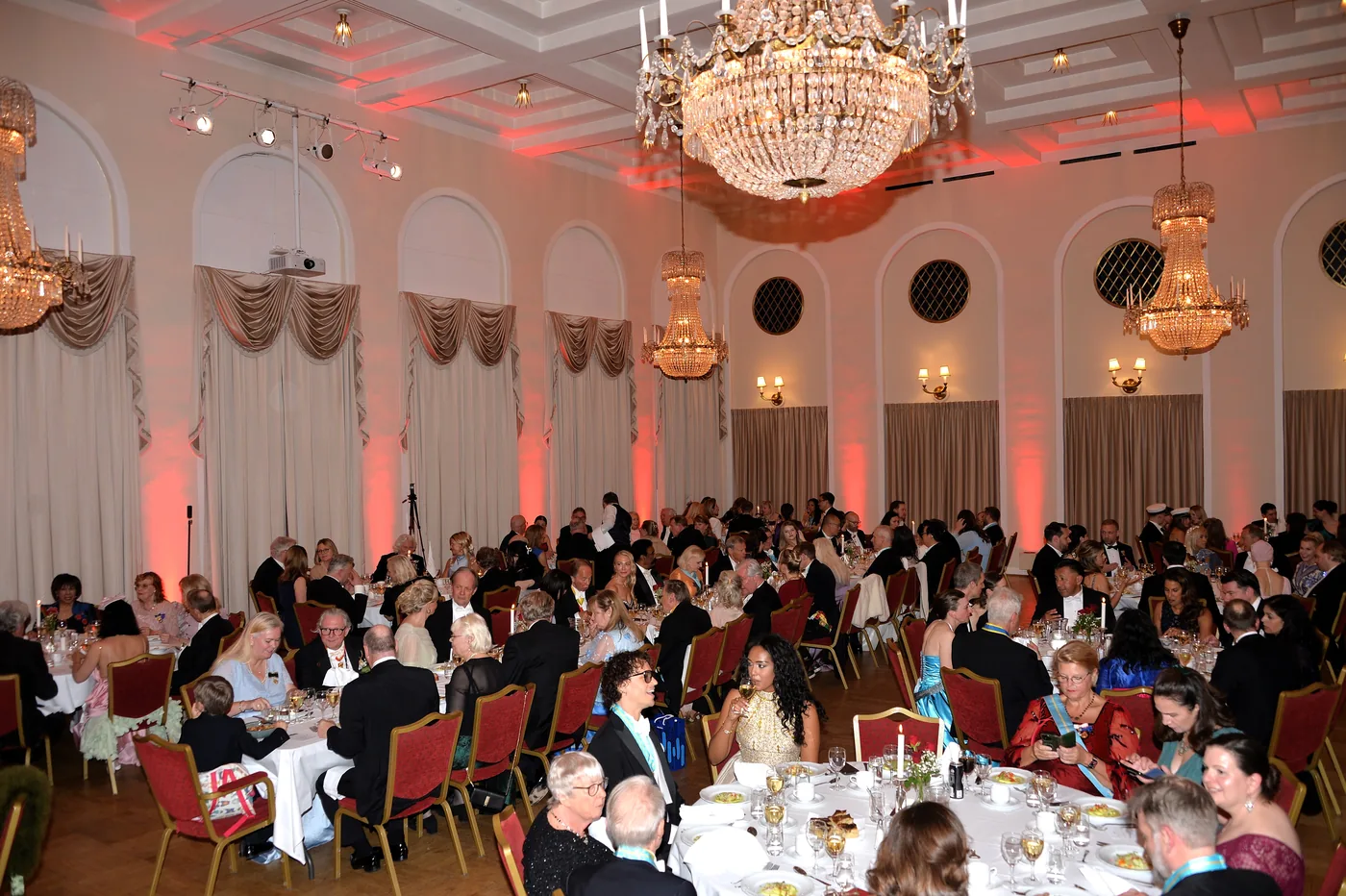
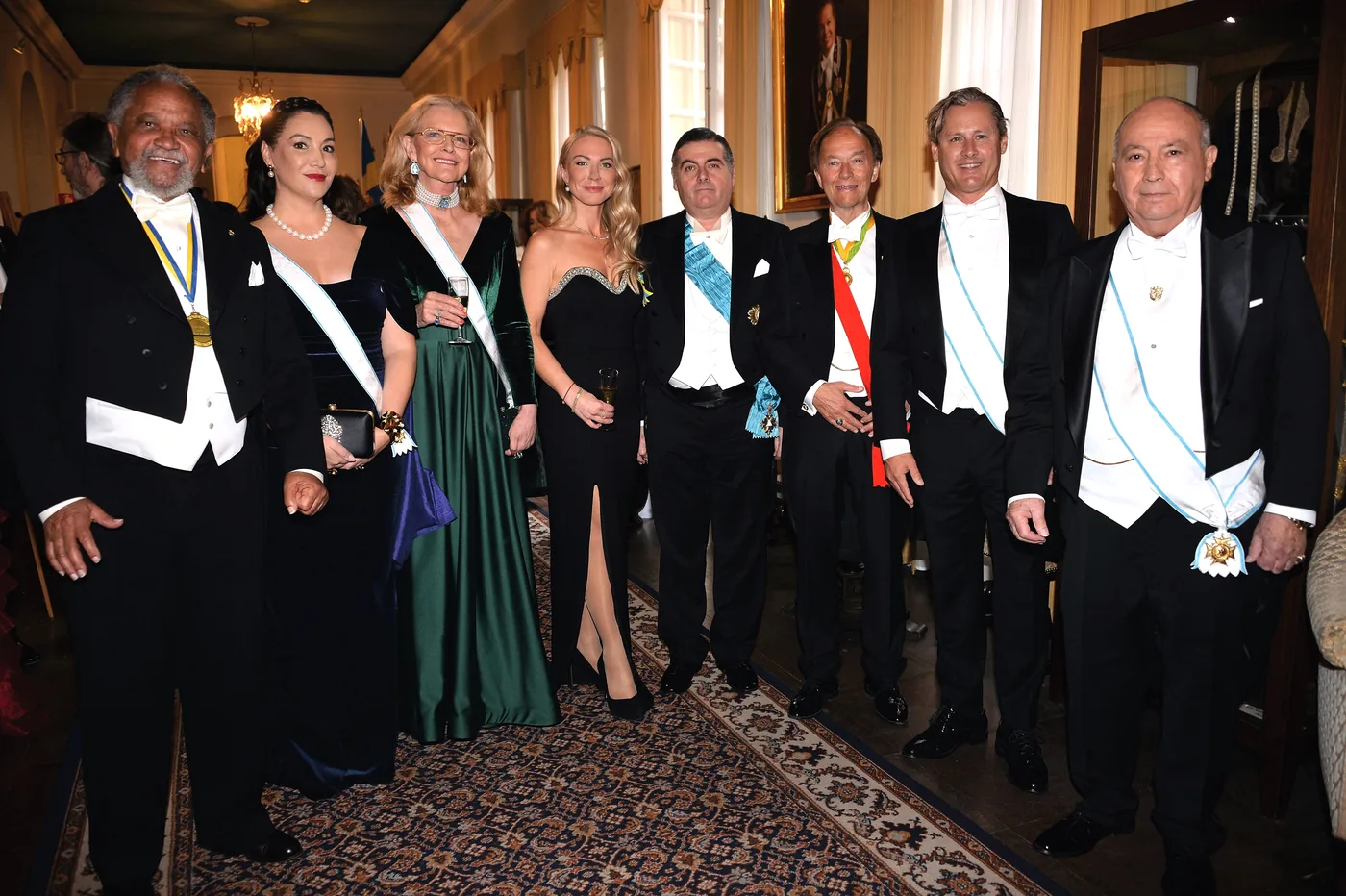
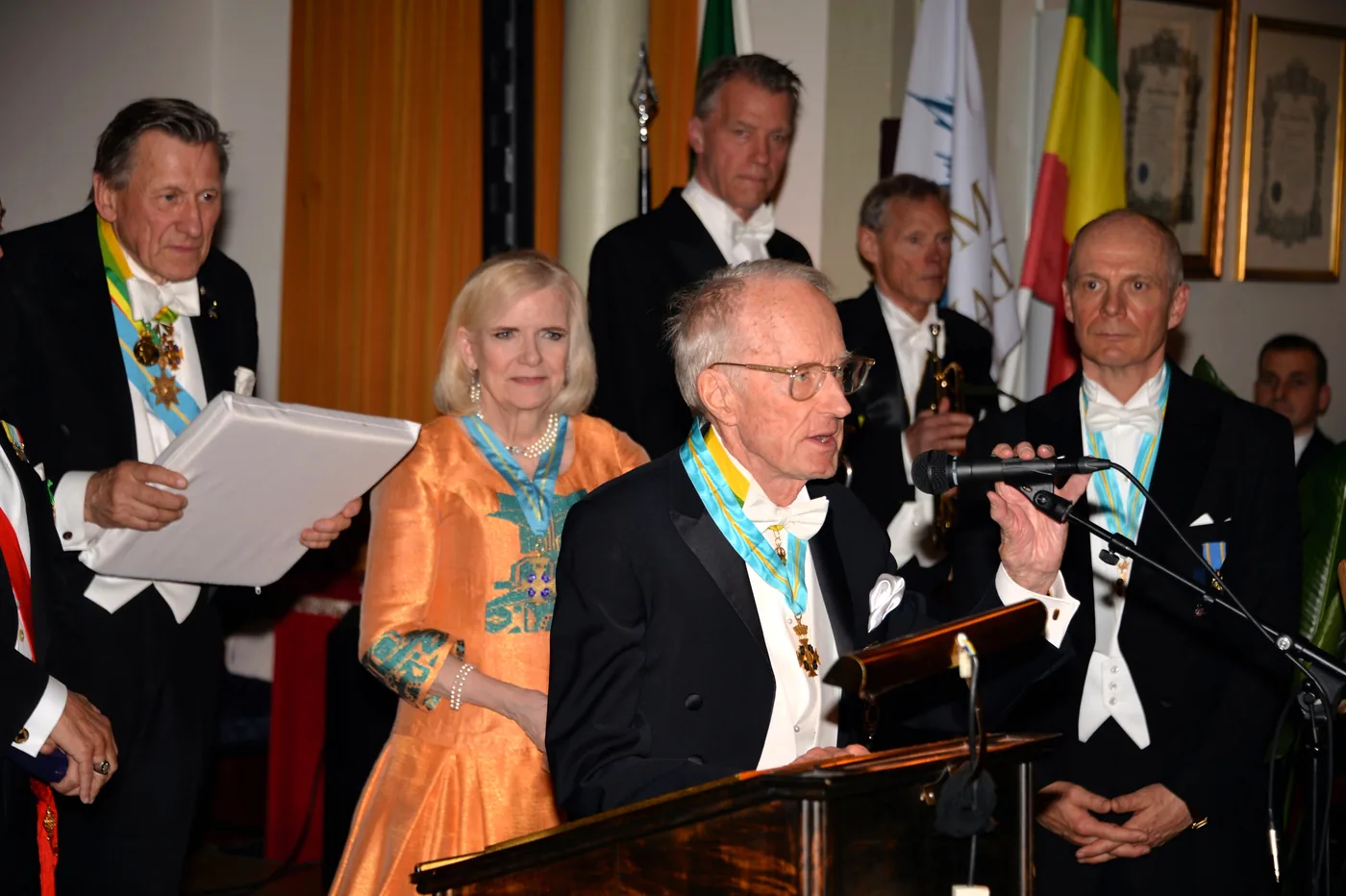
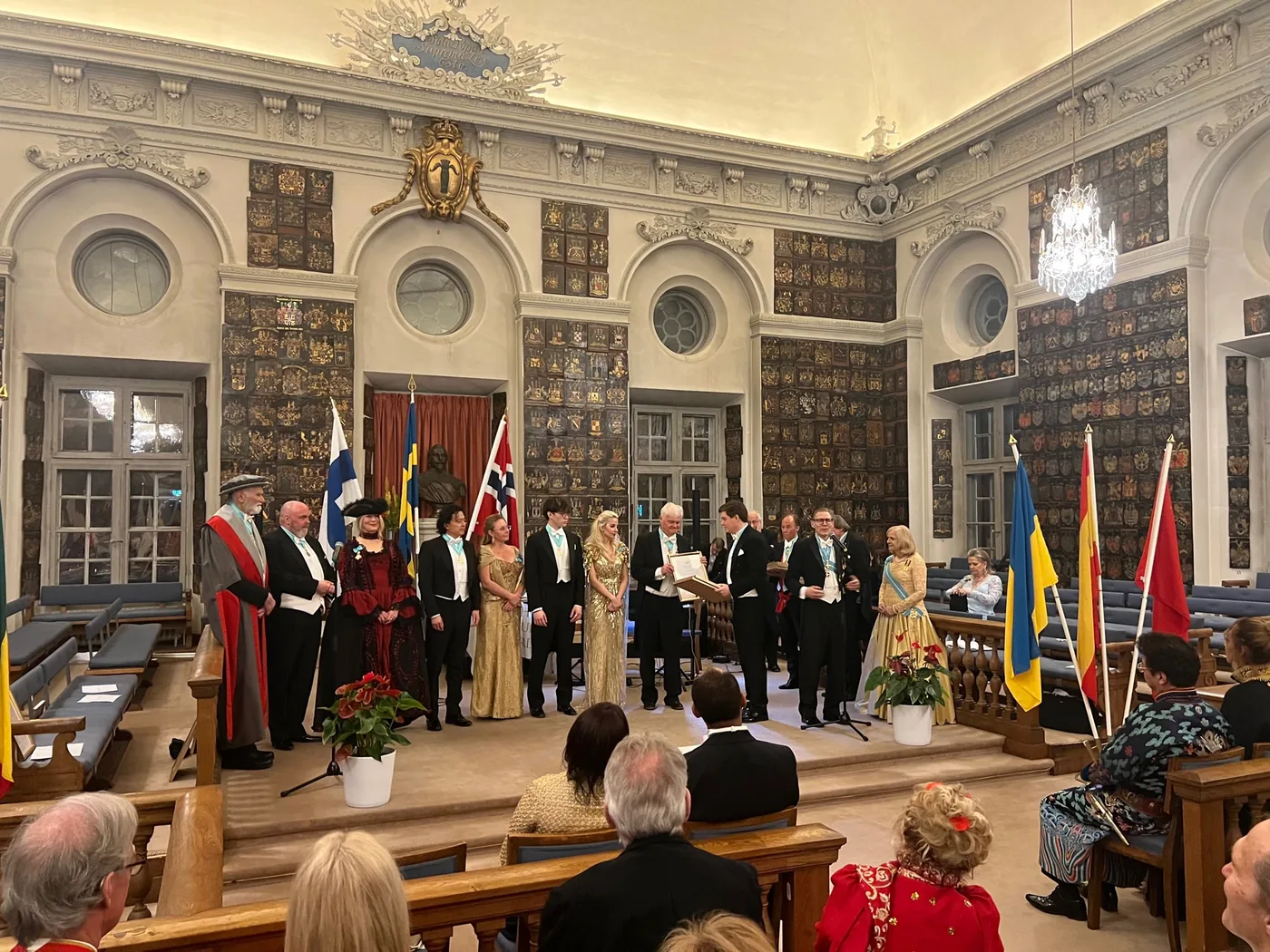
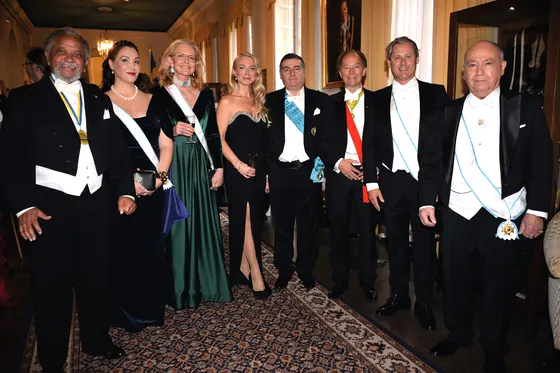
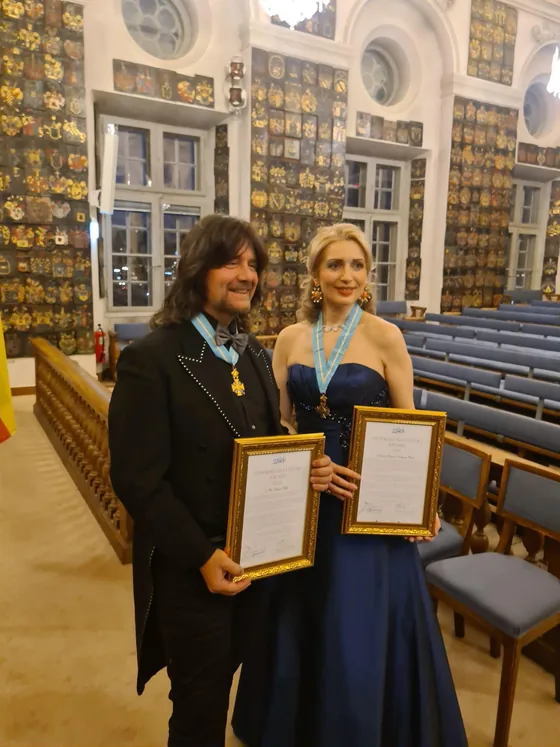
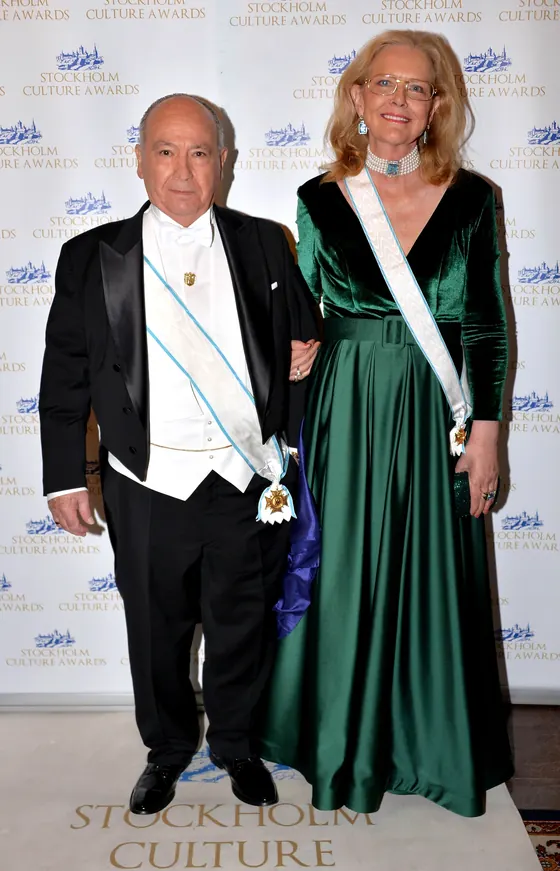
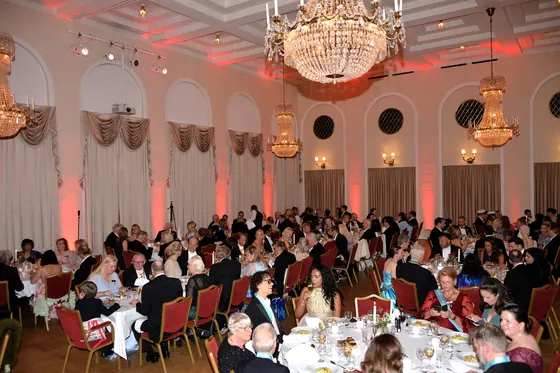
The Stockholm Culture Awards gala is an evening of white-tie ceremony, classical music and dinner. The year's award winners receive the Stockholm Culture Awards medal and diploma in front of patrons, artists and friends of the arts.
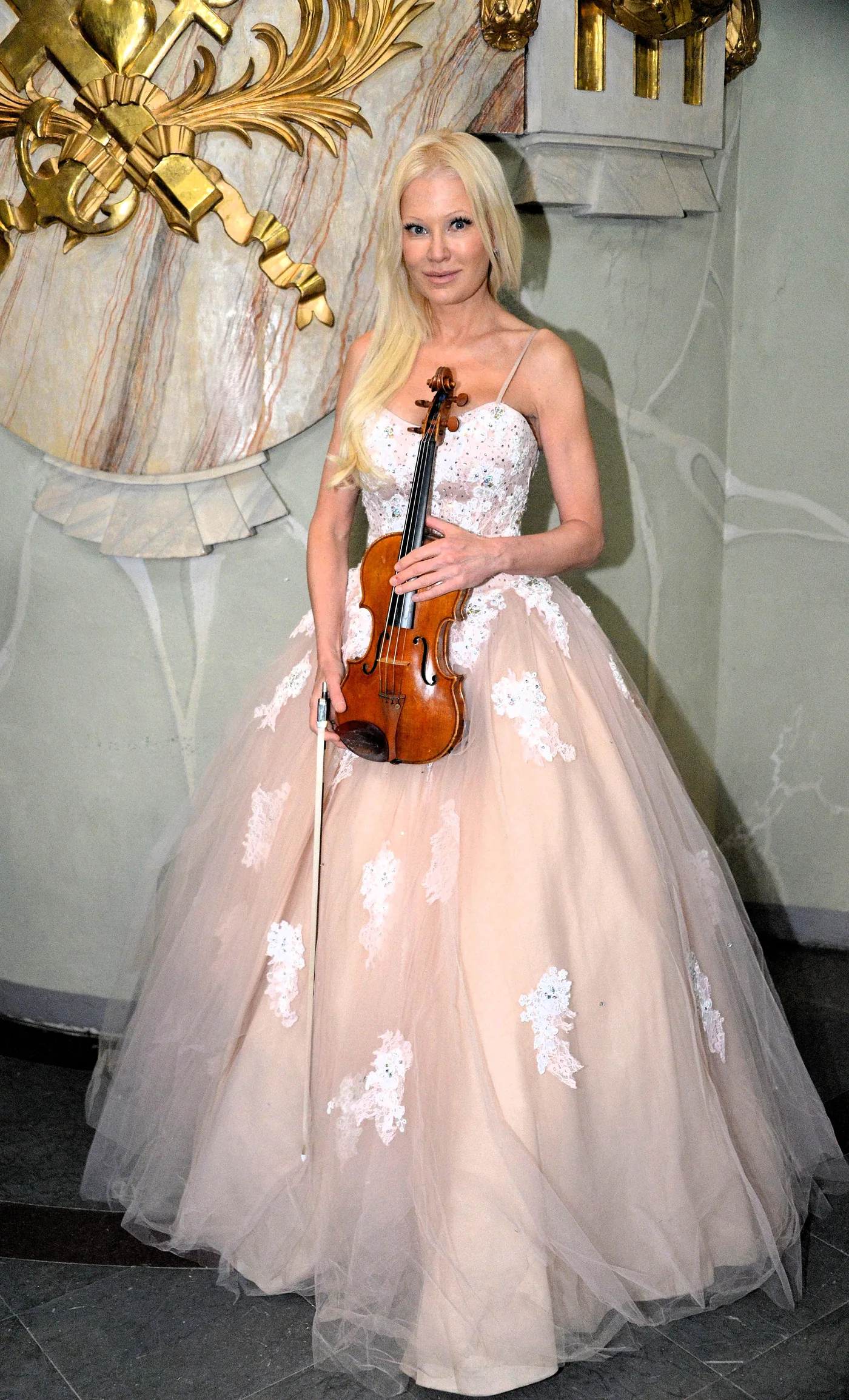
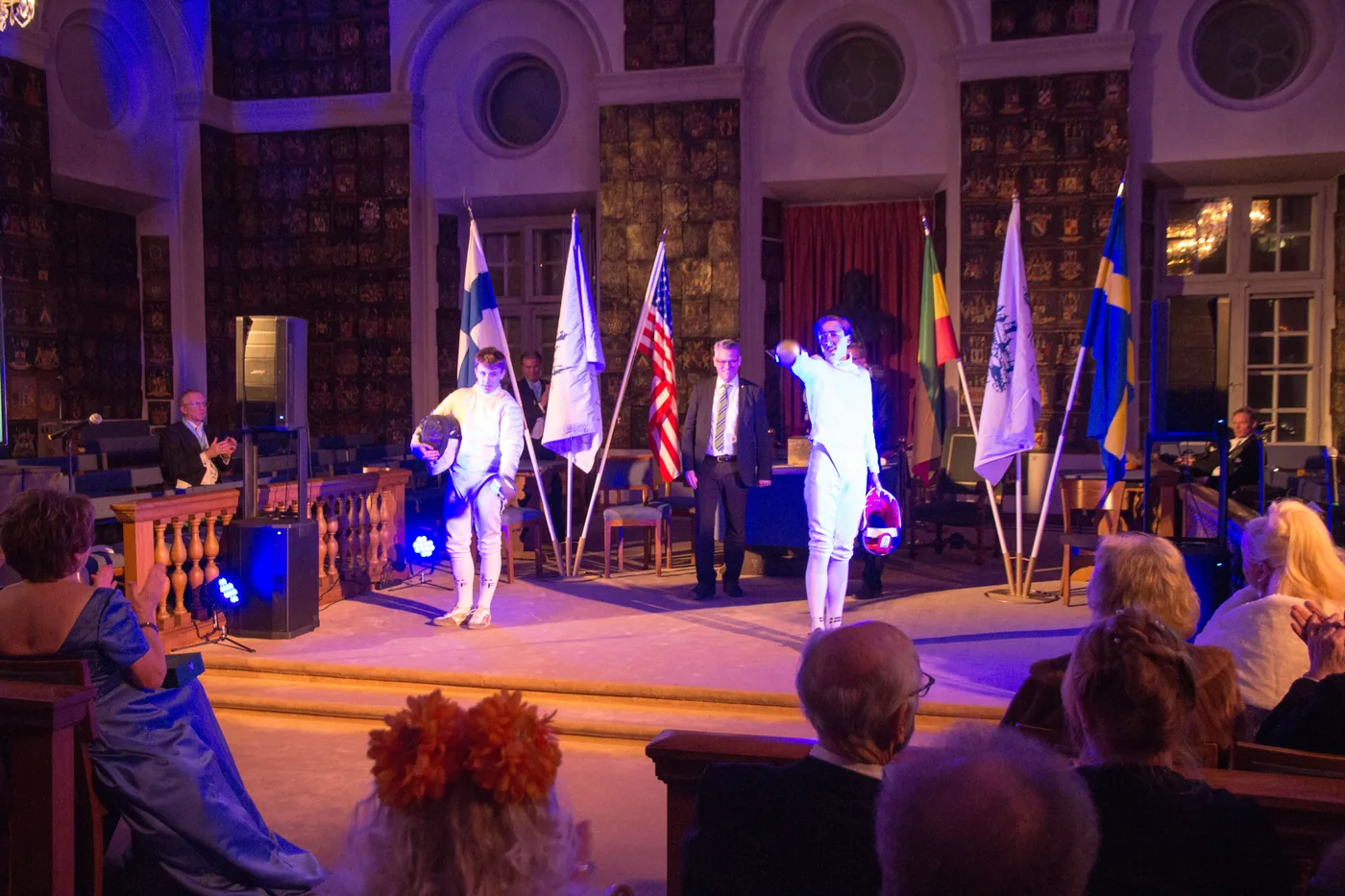
Ceremony, a seated dinner and musical performances follow the presentation of the medals. The evening's performers are announced closer to the date.
The Award
The Medal
Worn on a bow.Worn on the neck ribbon.
What is the Stockholm Culture Awards medal?
The Stockholm Culture Awards medal is a gold cross beneath a royal crown, embossed in gold-plated silver, with a central medallion showing the city of Stockholm. It hangs from a ribbon of light blue with a yellow stripe down the middle.
What else does an award winner receive?
With the medal comes a miniature, worn on less formal occasions, and a diploma naming the award winner and the discipline in which the award is given.
Is there an award for service to the foundation?
Yes. Alongside the award winners' medal, the foundation awards a silver merit medal to those who have given long service to its work.
Officially, the medals are the Reward and Merit Medals: the Reward Medal for award winners and the Merit Medal in silver for service to the foundation.
The Programme
The order of the evening
The gala follows the traditional order: a reception, the ceremony, dinner, and dancing into the small hours. The hours below are those of a typical year.
17:00Reception. Guests are received with a glass of sparkling wine.
18:00The award ceremony. The medal and diploma are presented to the year's award winners.
19:00Dinner, seated, in the dining room.
21:00Dancing, with a bar until late. At 23:30, by tradition, Wiener sausage is served.
02:00The doors of the palace close for the night.
Dress: white tie and tailcoat with orders and medals; military ceremonial dress or traditional folk costume are equally welcome. Ball gowns for ladies, and by tradition no sharp heels.
Västra Trädgårdsgatan 11A, 111 53 Stockholm, Sweden
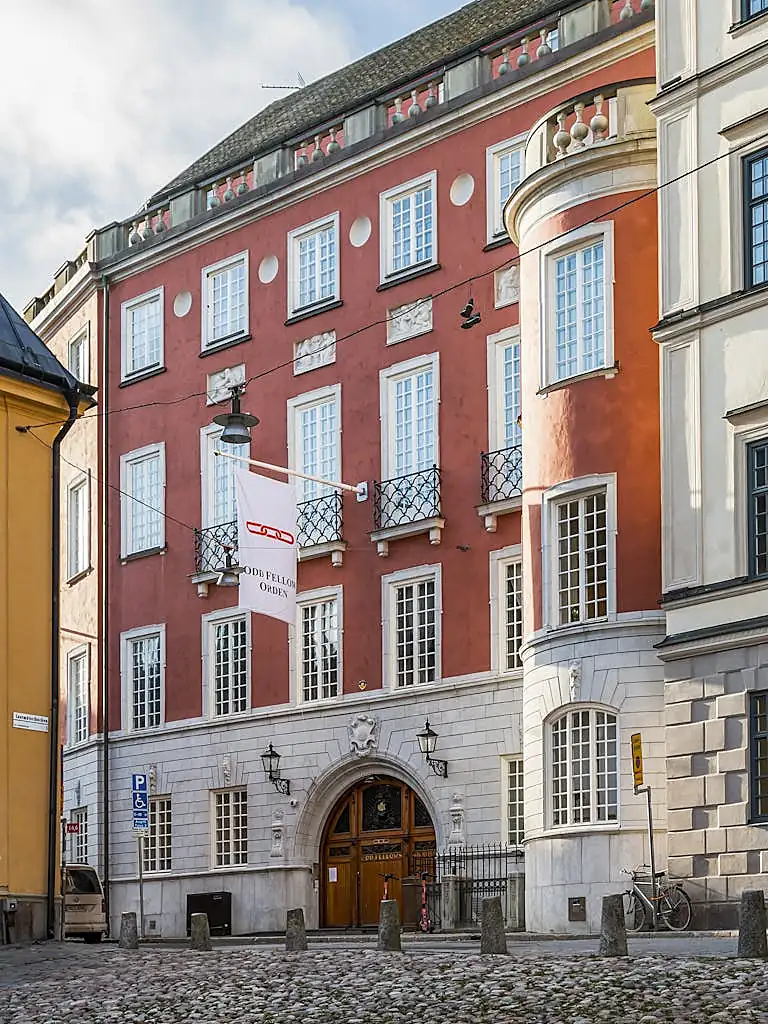
Built in the 1620s by Count Svante Banér, the palace is one of the oldest stone buildings in central Stockholm. Over four centuries it has passed through some of Sweden's most prominent noble families: the Banérs, the Bielkes, the Pipers. In 1922 it became the ceremonial home of the Odd Fellow Order. Four relief sculptures on the facade turn the Order's ethical ideals into public art: caring for the sick, assisting those in need, honouring the departed, and educating children.
Baron Banér's Palace (Odd Fellow-Huset)
The interactive map loads from OpenStreetMap only when you ask for it.