
General Secretary
The Foundation
Our Story
The Stockholm Culture Awards celebrate outstanding achievement in the arts and culture, honouring individuals across twelve disciplines whose work enriches cultural life and advances excellence in their fields. The awards seek to strengthen Stockholm's role as an international centre for culture, knowledge and artistic exchange.
It started, four decades ago, with four students trying to save a few stones.
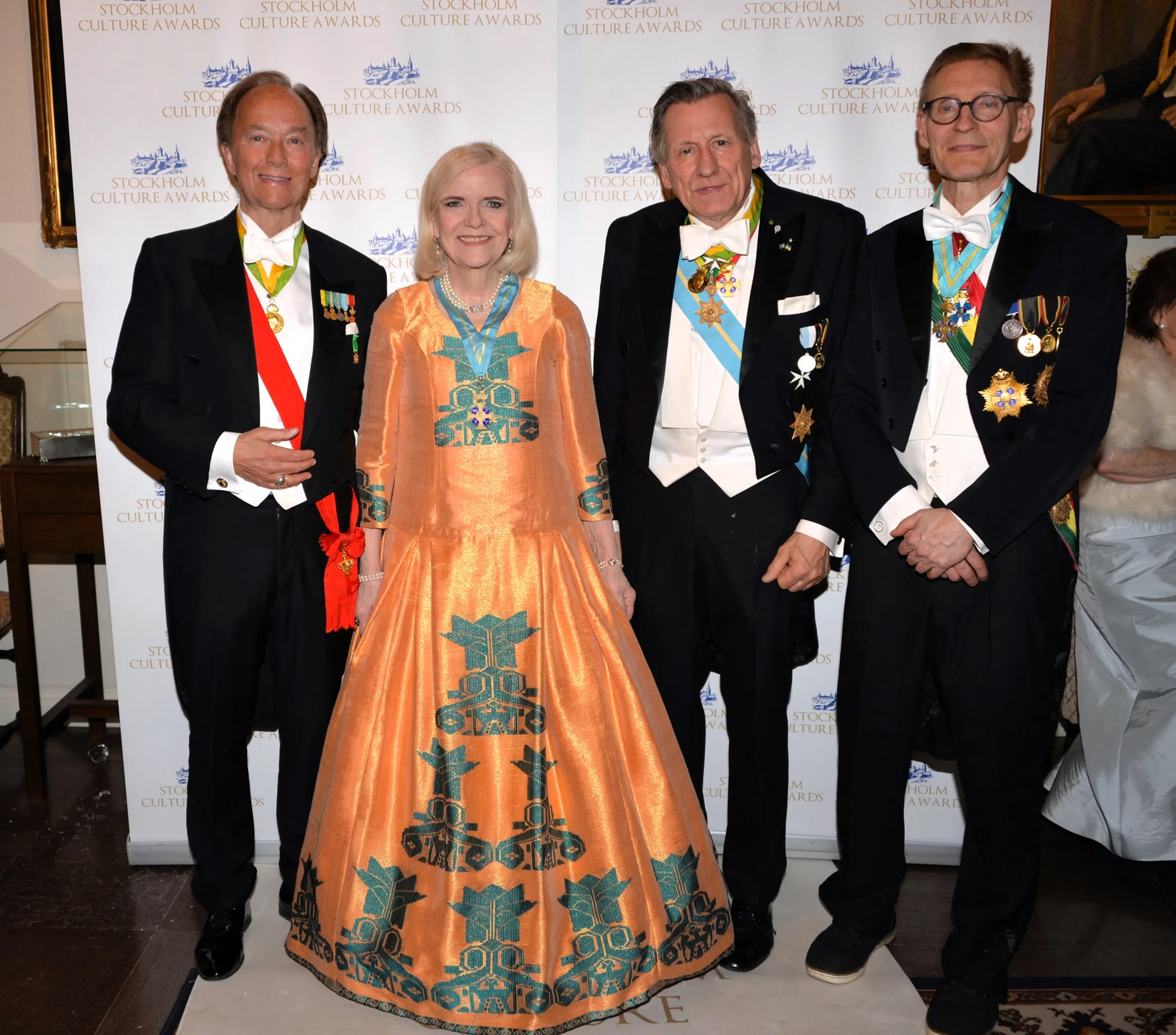
In 1983, four members of Stockholms nation at Uppsala University (Rikard Högberg, Sverker Littorin, Hans Wernstedt and Hans von Gaffron) founded Föreningen Stockholmskultur, a small association devoted to Stockholm’s culture and history. Within a few years it had become a foundation, Stiftelsen Stockholmskultur. That foundation runs the Stockholm Culture Awards today.
Its defining early campaign came in the autumn of 1988, in the fields south-west of Norrköping. At Herrebro in Borg parish lies one of the densest concentrations of Bronze Age rock carvings in northern Europe: more than 6,000 figures across some 300 rock surfaces, a landscape archaeologists rank alongside Tanum in Bohuslän. On 28 October 1988 the authorities resolved to route the new E4 motorway across the site. The plan would have blasted away a panel of some fifty figures.
Stockholmskultur responded within days. On 4 November it held a permitted picket outside the National Heritage Board in Stockholm, with Rikard Högberg as organiser, protesting the blasting of 3,000-year-old carvings. Nine days later its members demonstrated on the rocks themselves, dressed in animal hides beneath a banner reading “Stop the vandalism of our cultural heritage.” Blasting the carvings, Högberg told the local press, would be like the Greeks tearing down the Parthenon to build a pizzeria.
The association was not alone. Journalists, artists, a sculptor, the county heritage federation and the National Heritage Board’s own head of monuments argued the same case. But a Stockholm association of some ninety members was its loudest and most theatrical voice. Within the week the road authority found a realignment feasible and the county governor declared the carvings “already saved.” The E4 was moved. Anyone who drives it today passes Herrebro without knowing how close the carvings came to being rubble.
That is the pattern the foundation has followed since: heritage is protected by people who show up. In 2000 its chairman was among the Swedish donors who financed a granite memorial on the site of Nyen, the Swedish town at the mouth of the Okhta. It stood where St Petersburg stands now, until 1703.
The foundation’s later work turned from protest to recognition. Since 2010 the Stockholm Culture Awards have honoured achievement across twelve disciplines, from classical music and opera to architecture, film, mathematics and the humanities. Ceremonies have been held at the Royal Palace, in the Blue Hall of Stockholm City Hall, at Riddarhuset in Stockholm and Helsinki, and at Baron Banér’s Palace (Odd Fellow-huset).
Why it still matters
Heritage is protected by people who show up
Rock art, buildings and monuments do not protect themselves. Swedish law gives archaeological sites strong protection, but infrastructure planning remains what researchers call a "wicked problem": every road, railway and housing project weighs heritage against budgets, deadlines and competing public goods. The Swedish cases in the sources below point the same way. Outcomes rarely turn on expert opinion alone; they turn on whether a community mobilises in time.
Herrebro is a textbook case. The professionals were on the right side, but the road decision had been taken quietly years earlier and was about to be carried out before anyone outside the planning offices knew. What changed it was a fortnight of public pressure. The Stockholm Culture Awards exist to reward the people who do that work (in art, in music, in scholarship) and to keep the foundation's original promise: that the things worth keeping will have someone to speak for them.
Governance
The Board
Chairman
Knyaz Rikard Högberg
Vice Chairman
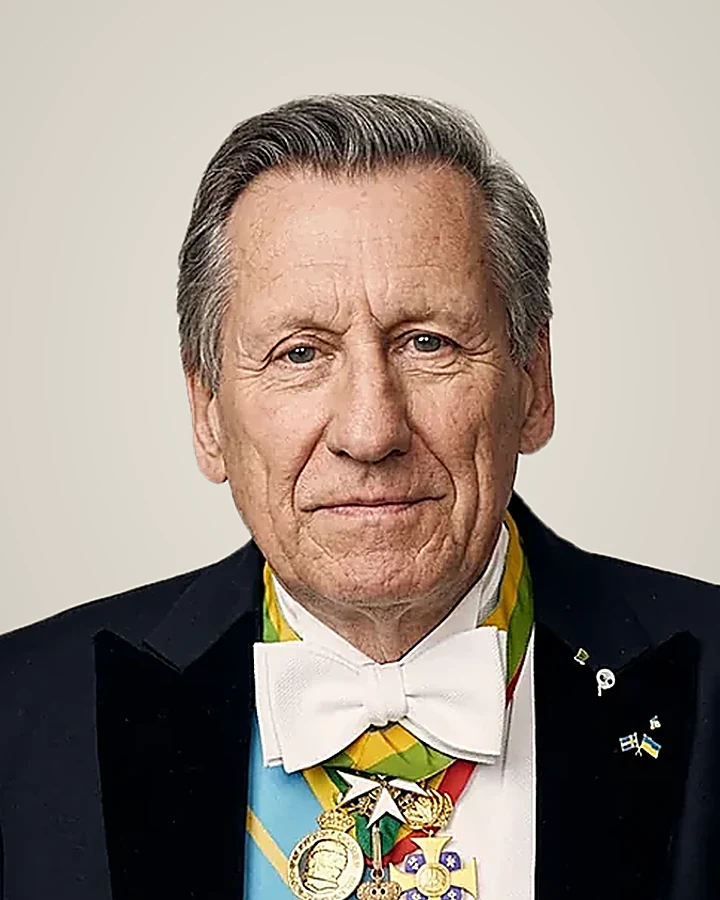
Hon. Prof. Sverker Littorin
Chancellor of the Exchequer
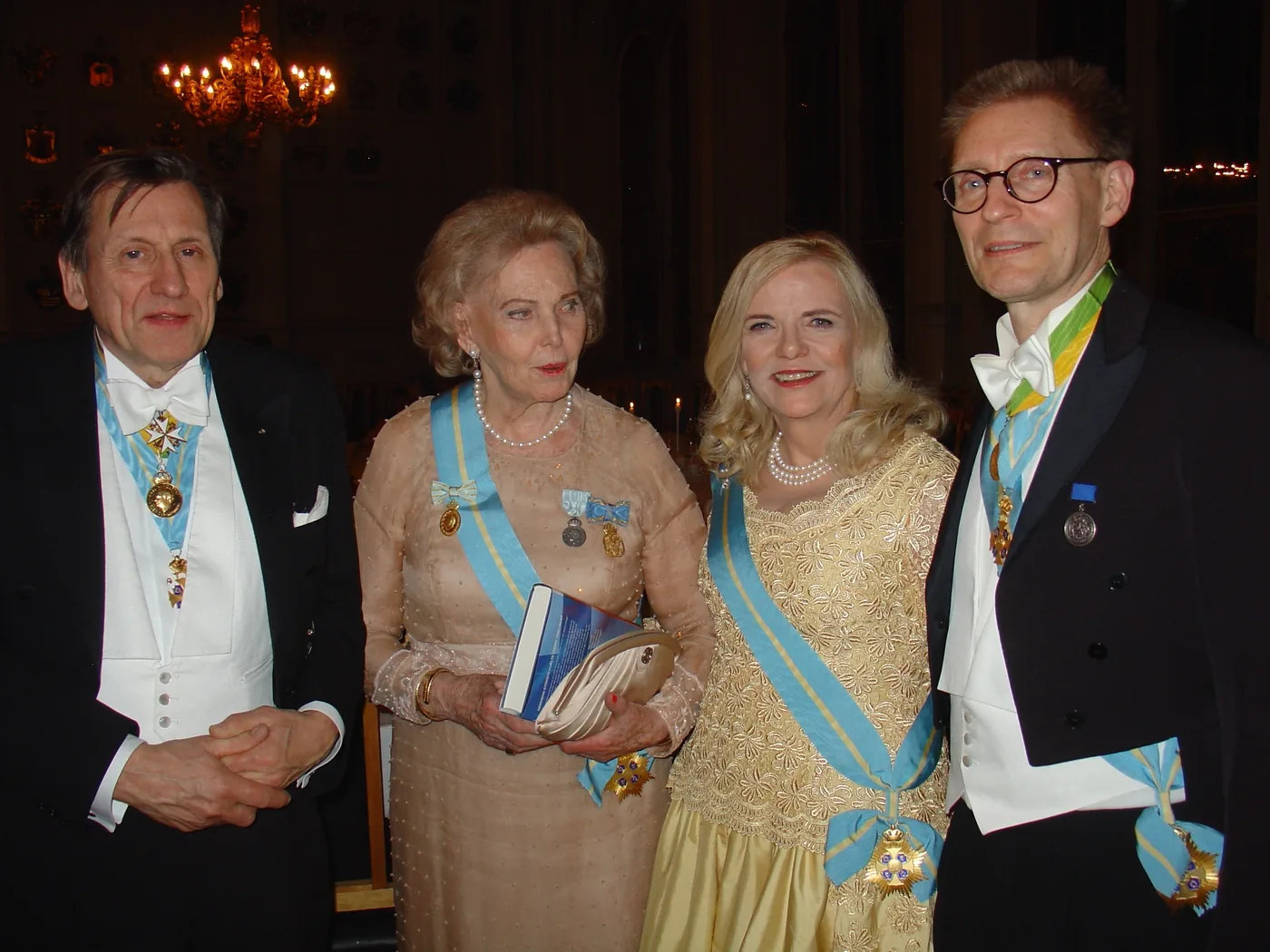
Sir Hans Wernstedt
Advisory Board
Advisory Board
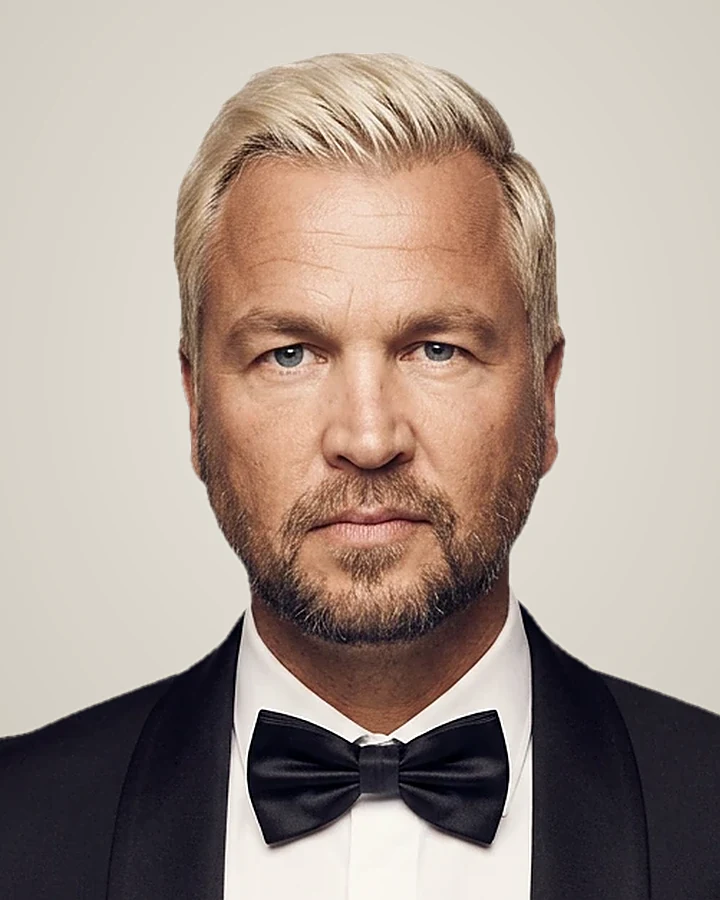
Founder, Ace of Base
Ulf Ekberg
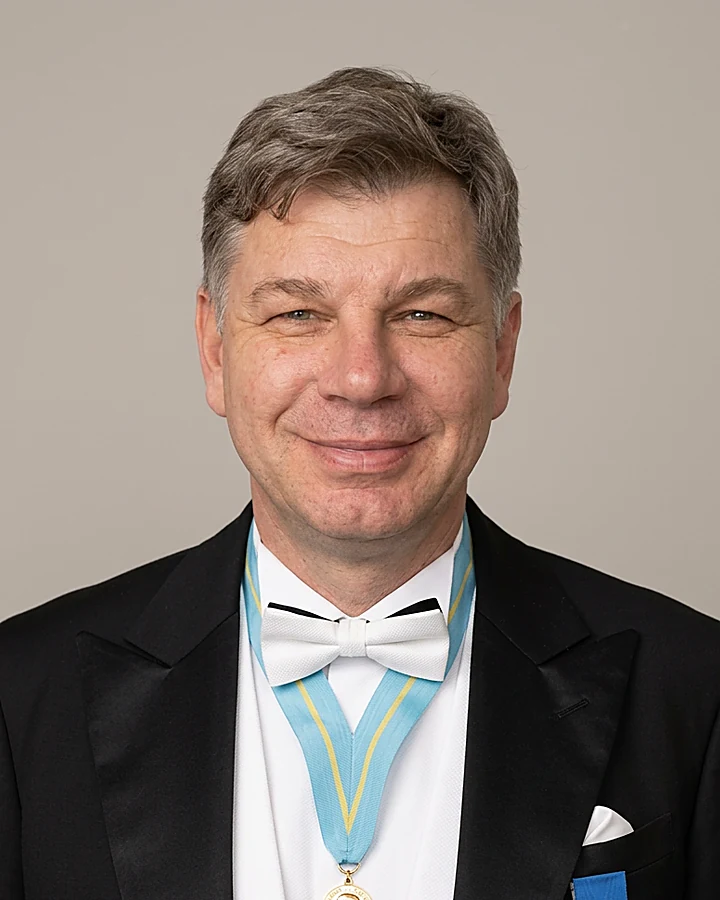
UPEACE · Calisia University · University of Warsaw
Prof. Piotr J. Senkus
Medal Councils
Medal Councils
Each discipline is guided by a council of distinguished practitioners who advise on its medal.
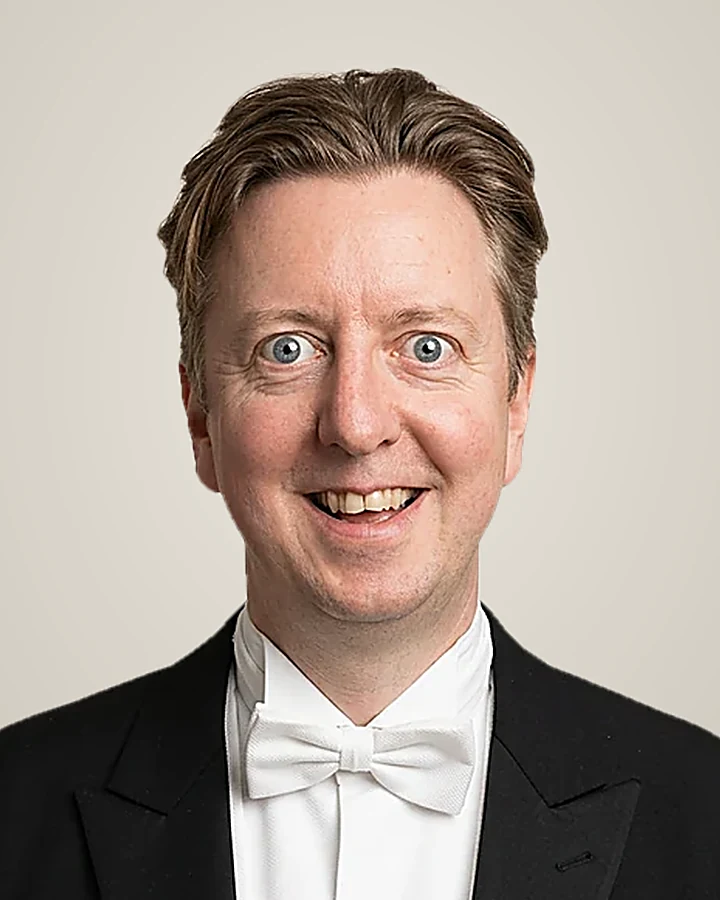
Classical Music
Kristofer Wåhlander
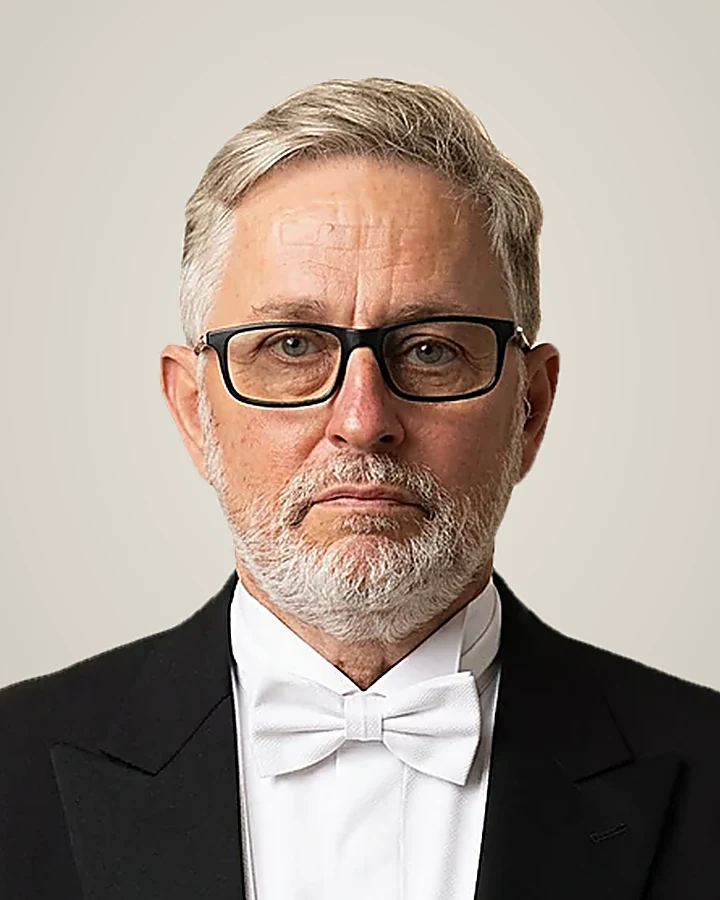
Film
Jonas Grimås
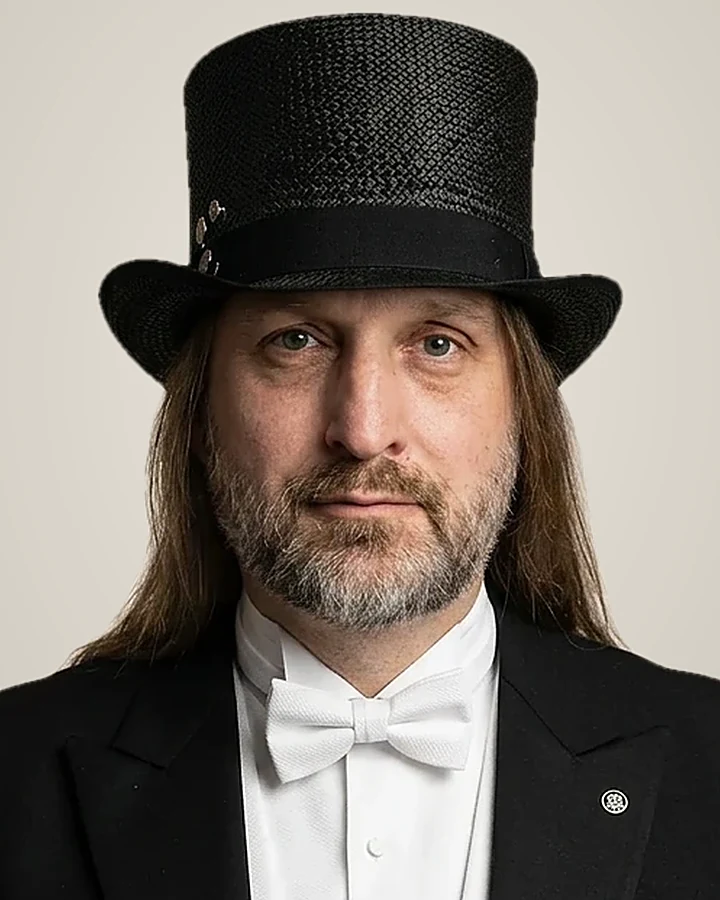
Architecture
Jacob Nordangård

Architecture
Inger Glimmerö Nordangård
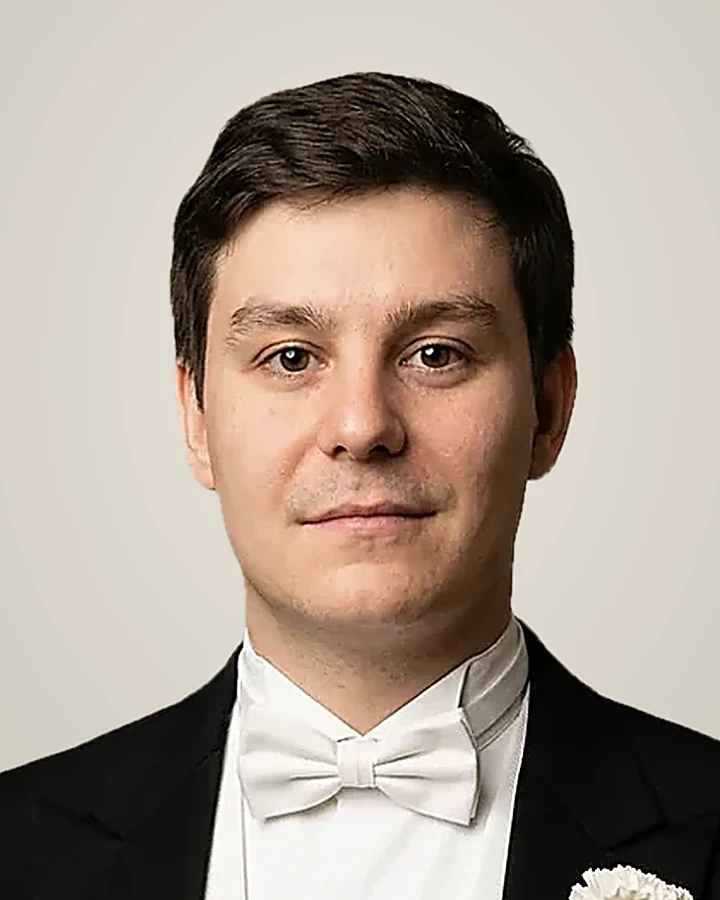
Architecture
Eric Norin
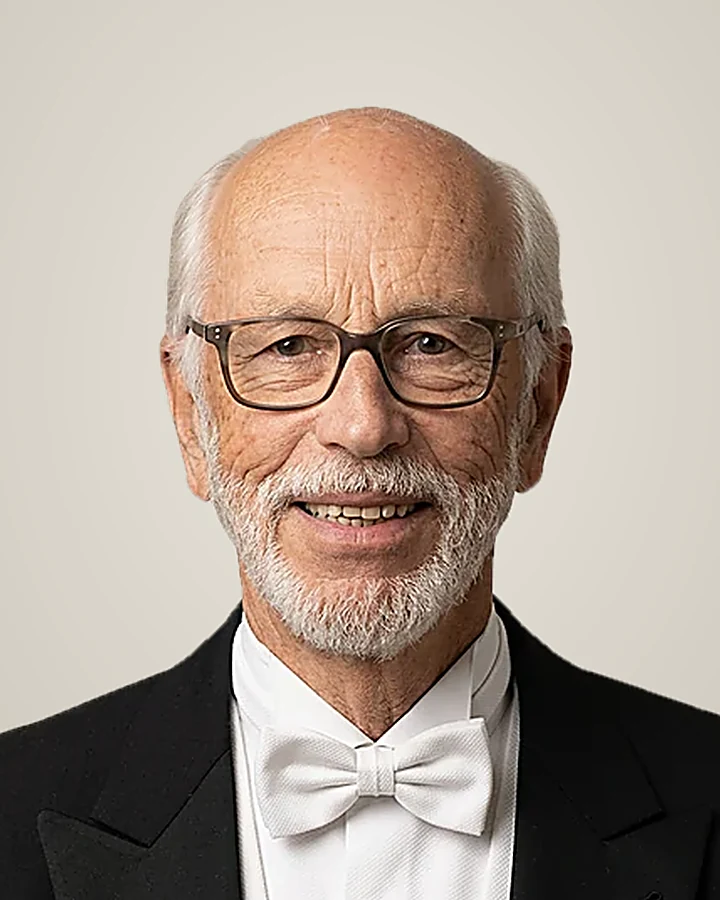
Cultural Mathematics
Prof. Emeritus Kjell-Ove Widman

Theatre
Regina di Rinaldi
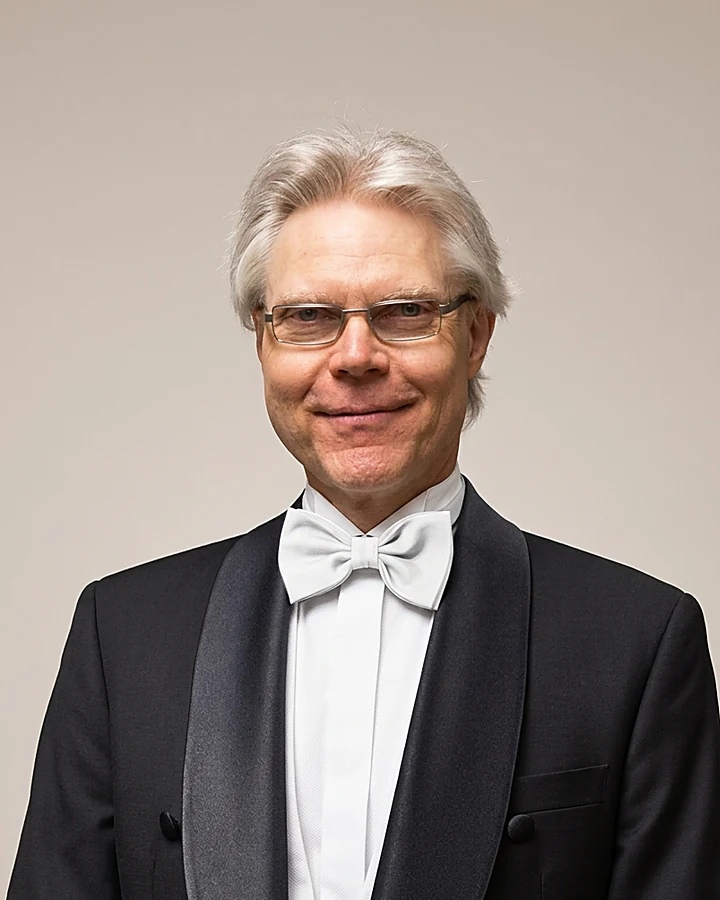
Music
Claes Wettebrandt
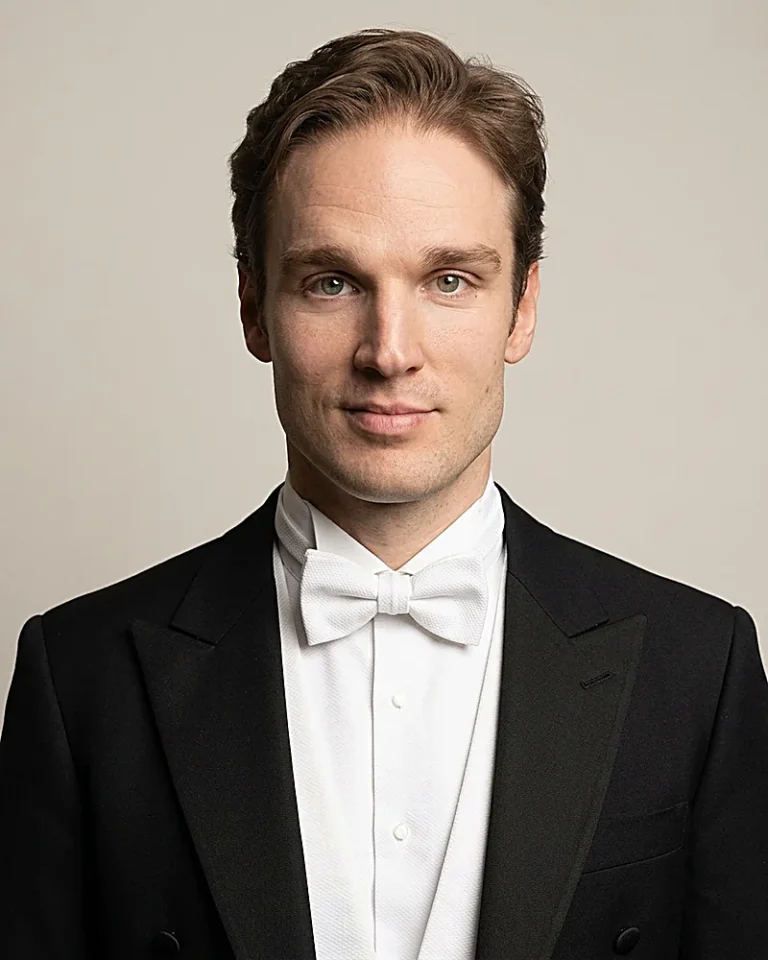
Dance
Jonatan Davidsson
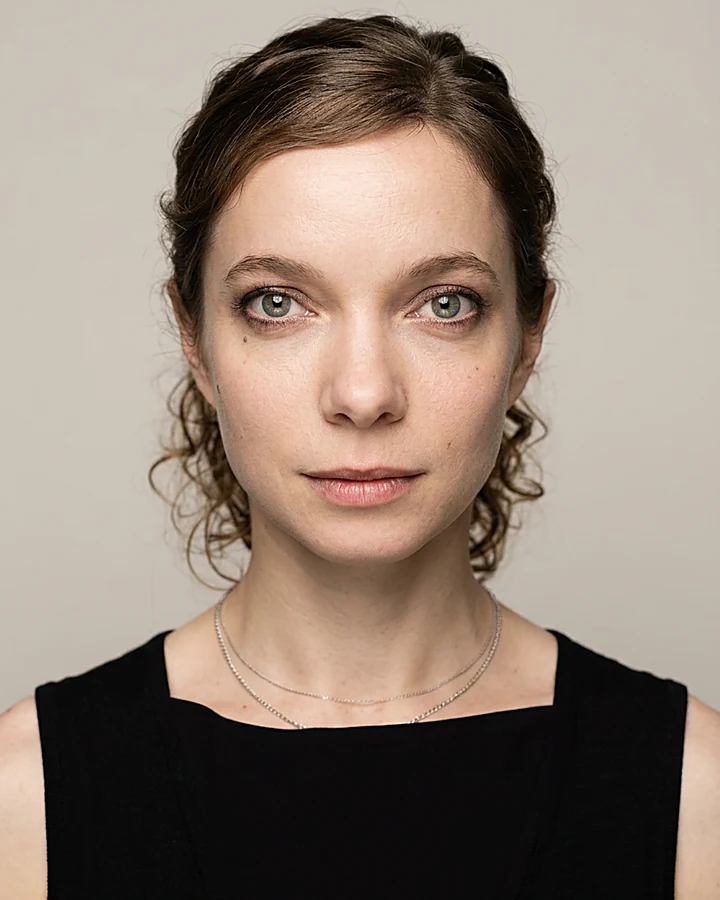
Dance
Nathalie Nordquist
Distinguished guests
In distinguished company
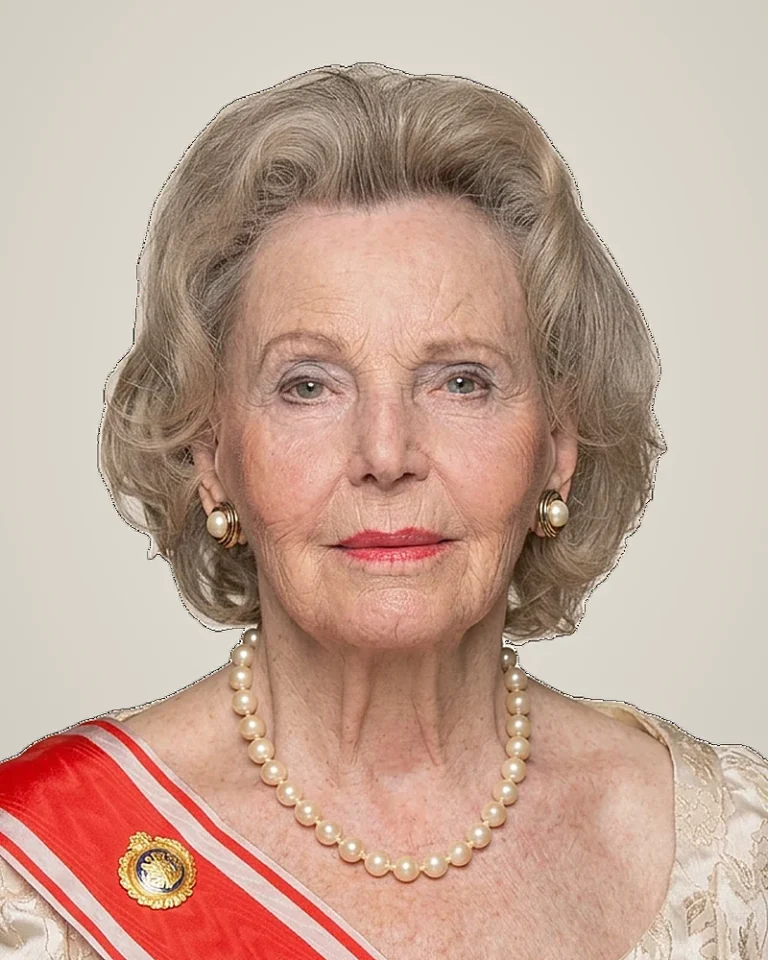
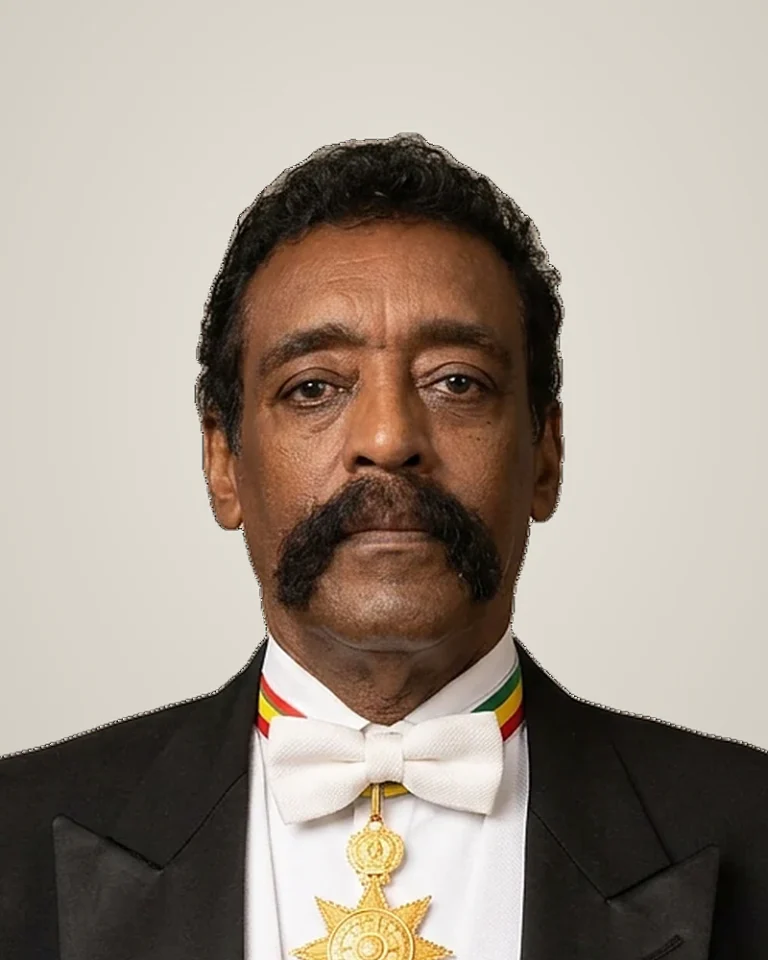
Members of royal and imperial families and some of the best-known award winners have shared the evening, at the gala itself and at the gathering at Björndalen, where this year's and past award winners meet the guests.


Imperial family of Ethiopia
Prince Ermias Sahle Selassie
Galas 2015 · 2016 · 2017 · Award winner 2018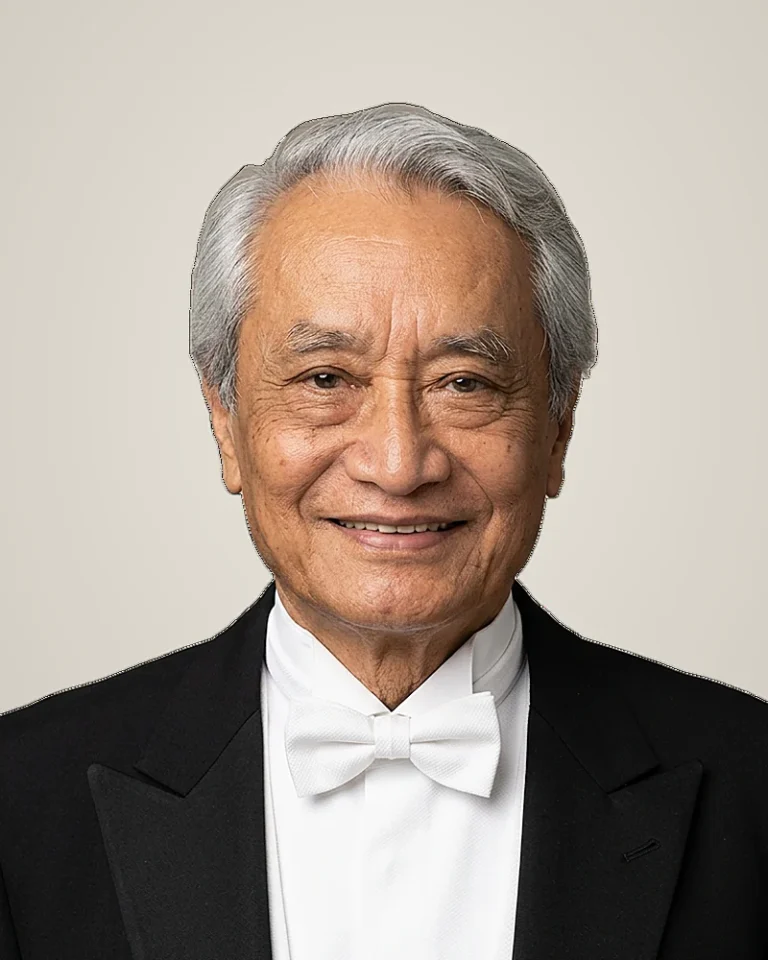
Royal House of Burma
Crown Prince Shwebomin of Burma

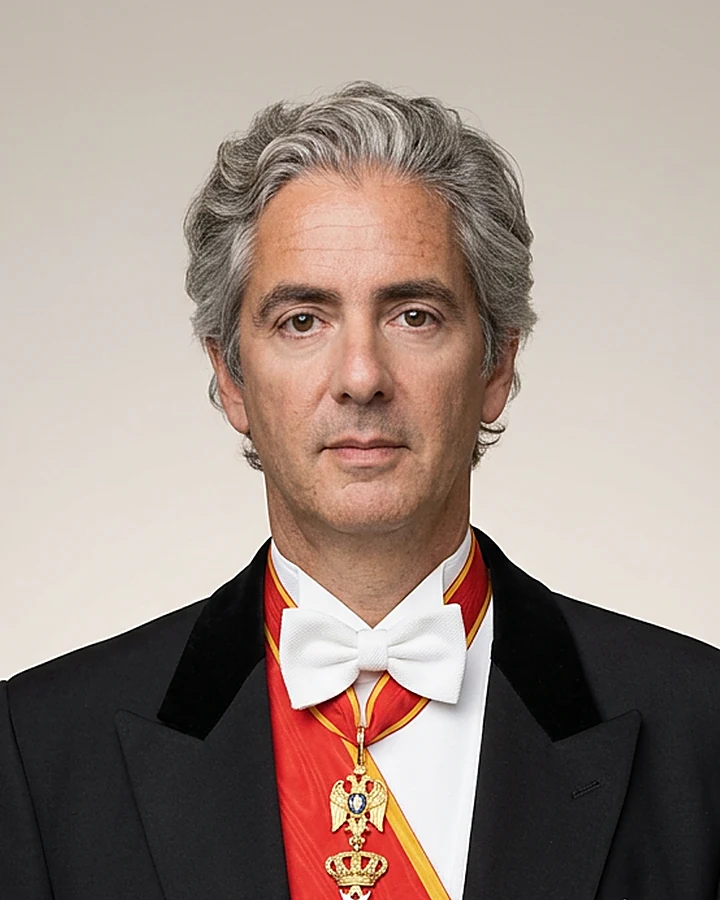
Grand Prior · Militare Ordine del Collare
Anders Jarlskog
Patron · Fulltofta Castle
Sanna Jarlskog



Communication
Communication Board
Chairman
Knyaz Rikard Högberg
Communication · AI & digital media
Kamil Mazur

Communication · Translation & texts
Charlotte Carstensen
Press & Recognition
In the press
The Stockholm Culture Awards and their award winners in independent media.
Coverage of the gala
The ceremony, in pictures
Annual photo-essays of the white-tie ceremony and its award winners.
Award winners in the media
Reported around the world
Independent coverage from Stockholm to Helsinki, Budapest and North Carolina.
Media enquiries
For press
Request images, interviews and background on the awards.
Sources & references
Bolagsfakta. (n.d.). Stiftelsen Stockholmskultur: Stockholm Culture Awards.
Botwid, K. (2017). Understanding Bronze Age life: Pryssgården (LBA) in Sweden from an artisanal perspective. Lund University.
Cawa Media. (2024, April 27; 2026, May 18). Stockholm Culture Awards.
Folkbladet Östgöten. (1988, November 10 & 14). Reports on the Herrebro rock-carving campaign.
Föreningen Stockholmskultur. (1988, November 4). Application for demonstration permit (Polismyndigheten i Stockholm). SCA archive.
Fredholm, S., Eliasson, I., & Knez, I. (2021). Strategic responses to wicked problems of heritage management. Land, 10(10), 1032.
Hammami, F., & Uzer, E. (2018). Heritage and resistance. International Journal of Heritage Studies, 24(5), 445-464.
Keenan, P. (2015). A space between two worlds: St. Petersburg in the early eighteenth century. Palgrave Macmillan.
Kurisoo, T., et al. (2023). The role of communities in preserving heritage. International Journal of Heritage Studies, 30(1).
Ling, J. (2023). Swedish Rock Art Research Archives. Adoranten, 5-12.
Nelson, M. (2024). The Swedish apparatus of contract archaeology. Current Swedish Archaeology, 31, 155-178.
Norrköpings Tidningar. (1988, November 11). Reports on the friends of the rock carvings.
Petersmonuments.ru. (n.d.). Memorial sign on the site of the Nyenschantz fortress, St Petersburg.
Plevoets, B., & Van Cleempoel, K. (2018). Community initiatives as a catalyst for regeneration of heritage sites. Cities, 78, 128-139.
Ryman, S. (1988, November 2 & 14). Reports on the Östergötland motorway protests. Dagens Nyheter.
Selinge, K.-G. (1988, November 10). Herrebro’s carvings belong in the landscape. Norrköpings Tidningar.
Sorokin, P. (2014). Archaeological research in St Petersburg, Russia. Oxford University Press.
Söderström, U. (2024). Kulturarv som resurs i socialt hållbar stadsutveckling [Doctoral dissertation]. Linnaeus University.
TT (Tidningarnas Telegrambyrå). (1988, October-November). Wire reports on the E4 and the Herrebro carvings. Svenska Dagbladet.
Wessman, A. (2018). Animals on display: rock carvings from Enköping and Norrköping. Current Swedish Archaeology, 26, 189-216.
Nominations
Open to the world
Nominations for the Stockholm Culture Awards are open worldwide.